
Barrel Blanks
Cut & Button-Rifled Rifle Barrel Blanks
Cut-rifled barrel blanks from Bartlein, Krieger, Brux, Custom Rifle Barrels (CRB), and Snowy Mountain, plus button-rifled Lilja for rimfire. Stainless and carbon-fiber blanks in calibers from 6mm through .338, ready for your gunsmith to chamber. Filter by caliber, contour, twist rate, length, grooves, groove type, material, and finish.
- Product
- Qty in Cart
- Quantity
- Price
- Subtotal
-
Out of stock


Krieger - SS, 6mm (.237), K#17 Heavy Varmint, 8 twist, 31" blank (30" finish), 4 Groove
Krieger Barrels
$470.00Krieger 6mm K#17 Heavy Varmint Barrel BlankThe Krieger 6mm K#17 Heavy Varmint is a match-grade stainless steel barrel blank, cut-rifled and hand-lapped by Krieger. It runs a 1:8" twist with 4-groove rifling and ships as a 31" blank, ready to chamber,...BAKR0037$470.00 -
Out of stock


Krieger - SS, 6mm (.237), K#17 Heavy Varmint, 8.5 twist, 31" blank (30" finish), 4 Groove
Krieger Barrels
$470.00Krieger 6mm K#17 Heavy Varmint Barrel BlankThe Krieger 6mm K#17 Heavy Varmint is a match-grade stainless steel barrel blank, cut-rifled and hand-lapped by Krieger. It runs a 1:8.5" twist with 4-groove rifling and ships as a 31" blank, ready to chamber,...BAKR0038$470.00 -
Out of stock


Krieger - SS, 6mm (.237), K#18 Light Varmint, 13.5 twist, 29" blank (28" finish), 4 Groove
Krieger Barrels
$470.00Krieger 6mm K#18 Light Varmint Barrel BlankThe Krieger 6mm K#18 Light Varmint is a match-grade stainless steel barrel blank, cut-rifled and hand-lapped by Krieger. It runs a 1:13.5" twist with 4-groove rifling and ships as a 29" blank, ready to chamber,...BAKR0043$470.00 -


Krieger - SS, 6mm (.237), K#18 Light Varmint, 14 twist, 29" blank (28" finish), 4 Groove
Krieger Barrels
$470.00Krieger 6mm K#18 Light Varmint Barrel BlankThe Krieger 6mm K#18 Light Varmint is a match-grade stainless steel barrel blank, cut-rifled and hand-lapped by Krieger. It runs a 1:14" twist with 4-groove rifling and ships as a 29" blank, ready to chamber,...BAKR0044$470.00 -
Out of stock


Krieger - SS, 6mm (.237), K#18 Light Varmint, 14 twist, 29" blank (28" finish), 4 Groove
Krieger Barrels
$470.00Krieger 6mm K#18 Light Varmint Barrel BlankThe Krieger 6mm K#18 Light Varmint is a match-grade stainless steel barrel blank, cut-rifled and hand-lapped by Krieger. It runs a 1:14" twist with 4-groove rifling and ships as a 29" blank, ready to chamber,...BAKR0045$470.00 -


Krieger - SS, 6mm (.237), K#18 Light Varmint, 7.5 twist, 29" blank (28" finish), 4 Groove
Krieger Barrels
$470.00Krieger 6mm K#18 Light Varmint Barrel BlankThe Krieger 6mm K#18 Light Varmint is a match-grade stainless steel barrel blank, cut-rifled and hand-lapped by Krieger. It runs a 1:7.5" twist with 4-groove rifling and ships as a 29" blank, ready to chamber,...BAKR0041$470.00 -
Out of stock


Krieger - SS, 6mm (.237), K#18 Light Varmint, 8 twist, 29" blank (28" finish), 4 Groove
Krieger Barrels
$470.00Krieger 6mm K#18 Light Varmint Barrel BlankThe Krieger 6mm K#18 Light Varmint is a match-grade stainless steel barrel blank, cut-rifled and hand-lapped by Krieger. It runs a 1:8" twist with 4-groove rifling and ships as a 29" blank, ready to chamber,...BAKR0042$470.00 -
Out of stock


Krieger - SS, 6mm (.237), K#3 Medium Sporter, 8 twist, 27" blank (26" finish), 4 Groove
Krieger Barrels
$470.00Krieger 6mm K#3 Medium Sporter Barrel BlankThe Krieger 6mm K#3 Medium Sporter is a match-grade stainless steel barrel blank, cut-rifled and hand-lapped by Krieger. It runs a 1:8" twist with 4-groove rifling and ships as a 27" blank, ready to chamber,...BAKR0018$470.00 -
Out of stock


Krieger - SS, 6mm (.237), K#4 Heavy Sporter, 8 twist, 27" blank (26" finish), 4 Groove
Krieger Barrels
$470.00Krieger 6mm K#4 Heavy Sporter Barrel BlankThe Krieger 6mm K#4 Heavy Sporter is a match-grade stainless steel barrel blank, cut-rifled and hand-lapped by Krieger. It runs a 1:8" twist with 4-groove rifling and ships as a 27" blank, ready to chamber,...BAKR0019$470.00 -
Out of stock


Krieger - SS, 6mm (.237), K#5 Bull Sporter, 8 twist, 27" blank (26" finish), 4 Groove
Krieger Barrels
$470.00Krieger 6mm K#5 Bull Sporter Barrel BlankThe Krieger 6mm K#5 Bull Sporter is a match-grade stainless steel barrel blank, cut-rifled and hand-lapped by Krieger. It runs a 1:8" twist with 4-groove rifling and ships as a 27" blank, ready to chamber,...BAKR0020$470.00 -
Out of stock


Krieger - SS, 6mm (.237), K#7 Light Target, 7 twist, 29" blank (28" finish), 4 Groove
Krieger Barrels
$470.00Krieger 6mm K#7 Light Target Barrel BlankThe Krieger 6mm K#7 Light Target is a match-grade stainless steel barrel blank, cut-rifled and hand-lapped by Krieger. It runs a 1:7" twist with 4-groove rifling and ships as a 29" blank, ready to chamber,...BAKR0023$470.00 -


Krieger - SS, 6mm (.237), K#7 Light Target, 7.5 twist, 29" blank (28" finish), 4 Groove
Krieger Barrels
$470.00Krieger 6mm K#7 Light Target Barrel BlankThe Krieger 6mm K#7 Light Target is a match-grade stainless steel barrel blank, cut-rifled and hand-lapped by Krieger. It runs a 1:7.5" twist with 4-groove rifling and ships as a 29" blank, ready to chamber,...BAKR0021$470.00 -
Out of stock


Krieger - SS, 6mm (.237), K#7 Light Target, 7.5 twist, 29" blank (28" finish), 5 Groove
Krieger Barrels
$499.99Krieger 6mm K#7 Light Target Barrel BlankThe Krieger 6mm K#7 Light Target is a match-grade stainless steel barrel blank, cut-rifled and hand-lapped by Krieger. It runs a 1:7.5" twist with 5-groove rifling and ships as a 29" blank, ready to chamber,...BAKR0022$499.99 -


Krieger - SS, 7mm, K# Remington Varmint, 9 twist, 27" blank (26" finish), 4 Groove
Krieger Barrels
$470.00Krieger 7mm K# Remington Varmint Barrel BlankThe Krieger 7mm K# Remington Varmint is a match-grade stainless steel barrel blank, cut-rifled and hand-lapped by Krieger. It runs a 1:9" twist with 4-groove rifling and ships as a 27" blank, ready to chamber,...BAKR0071$470.00 -
Out of stock


Krieger - SS, 7mm, K#11 1.25" Straight, 8.5 twist, 31" blank (30" finish), 4 Groove
Krieger Barrels
$470.00Krieger 7mm K#11 1.25" Straight Barrel BlankThe Krieger 7mm K#11 1.25" Straight is a match-grade stainless steel barrel blank, cut-rifled and hand-lapped by Krieger. It runs a 1:8.5" twist with 4-groove rifling and ships as a 31" blank, ready to chamber,...BAKR0069$470.00 -


Krieger - SS, 7mm, K#11 1.25" Straight, 9 twist, 33" blank (32" finish), 4 Groove
Krieger Barrels
$499.99Krieger 7mm K#11 1.25" Straight Barrel BlankThe Krieger 7mm K#11 1.25" Straight is a match-grade stainless steel barrel blank, cut-rifled and hand-lapped by Krieger. It runs a 1:9" twist with 4-groove rifling and ships as a 33" blank, ready to chamber,...BAKR0070$499.99 -


Krieger - SS, 7mm, K#17 Heavy Varmint, 9 twist, 31" blank (30" finish), 4 Groove
Krieger Barrels
$470.00Krieger 7mm K#17 Heavy Varmint Barrel BlankThe Krieger 7mm K#17 Heavy Varmint is a match-grade stainless steel barrel blank, cut-rifled and hand-lapped by Krieger. It runs a 1:9" twist with 4-groove rifling and ships as a 31" blank, ready to chamber,...BAKR0072$470.00 -
Out of stock


Krieger - SS, 7mm, K#17 Heavy Varmint, 9 twist, 31" blank FLUTED (30" finish), 4 Groove
Krieger Barrels
$650.00Krieger 7mm K#17 Heavy Varmint Barrel BlankThe Krieger 7mm K#17 Heavy Varmint is a match-grade stainless steel barrel blank, cut-rifled and hand-lapped by Krieger. It runs a 1:9" twist with 4-groove rifling and ships as a 31" blank, ready to chamber,...BAKR0073$650.00 -
Out of stock


Krieger - SS, 7mm, K#2 Standard Sporter, 9 twist, 27" blank (26" finish), 4 Groove
Krieger Barrels
$470.00Krieger 7mm K#2 Standard Sporter Barrel BlankThe Krieger 7mm K#2 Standard Sporter is a match-grade stainless steel barrel blank, cut-rifled and hand-lapped by Krieger. It runs a 1:9" twist with 4-groove rifling and ships as a 27" blank, ready to chamber,...BAKR0066$470.00 -
Out of stock
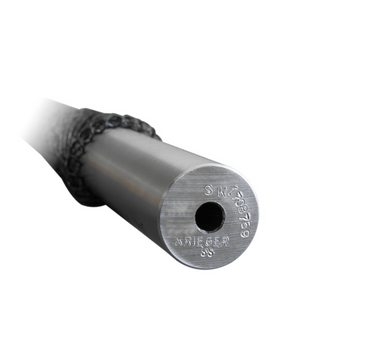

Krieger - SS, 7mm, K#5 Bull Sporter PLUS, 8.5 twist, 29" blank (28" finish), 4 Groove
Krieger Barrels
$470.00Krieger 7mm K#5 Bull Sporter PLUS Barrel BlankThe Krieger 7mm K#5 Bull Sporter PLUS is a match-grade stainless steel barrel blank, cut-rifled and hand-lapped by Krieger. It runs a 1:8.5" twist with 4-groove rifling and ships as a 29" blank, ready to...BAKR0068$470.00 -
Out of stock


Krieger - SS, 7mm, K#5 Bull Sporter, 9 twist, 27" blank (26" finish), 4 Groove
Krieger Barrels
$470.00Krieger 7mm K#5 Bull Sporter Barrel BlankThe Krieger 7mm K#5 Bull Sporter is a match-grade stainless steel barrel blank, cut-rifled and hand-lapped by Krieger. It runs a 1:9" twist with 4-groove rifling and ships as a 27" blank, ready to chamber,...BAKR0067$470.00 -

Lilja - SS, .308, L#5, 9 twist, 30" blank (29" finish), 3 Groove
Lilja
$505.00Lilja .308 L#5 Barrel BlankThe Lilja .308 L#5 is a match-grade stainless steel barrel blank. It runs a 1:9" twist with 3-groove rifling and ships as a 30" blank, ready to chamber, contour, and crown to your spec.SpecificationsCaliber / bore: .308Contour:...BALJ0005$505.00 -

Lilja - SS, 6mm (.237), L# MTU, 8 twist, 28" blank (27" finish), 3 Groove
Lilja
$439.00Lilja 6mm L# MTU Barrel BlankThe Lilja 6mm L# MTU is a match-grade stainless steel barrel blank. It runs a 1:8" twist with 3-groove rifling and ships as a 28" blank, ready to chamber, contour, and crown to your spec.SpecificationsCaliber / bore:...BALJ0004$439.00 -

Snowy Mountain Rifle - SS, 6.5mm, Y# Heavy Palma, 8 twist, 29" blank (28" finish), 5R
Snowy Mountain Rifles
$399.00Snowy Mountain Rifle 6.5mm Y# Heavy Palma Barrel BlankThe Snowy Mountain Rifle 6.5mm Y# Heavy Palma is a match-grade stainless steel barrel blank. It runs a 1:8" twist with 5R ratchet rifling and ships as a 29" blank, ready to chamber, contour, and crown...BASM0016$399.00 -

Snowy Mountain Rifle - SS, 6.5mm, Y# M24, 8 twist, 29" blank (28" finish), 5R
Snowy Mountain Rifles
$399.00Snowy Mountain Rifle 6.5mm Y# M24 Barrel BlankThe Snowy Mountain Rifle 6.5mm Y# M24 is a match-grade stainless steel barrel blank. It runs a 1:8" twist with 5R ratchet rifling and ships as a 29" blank, ready to chamber, contour, and crown to your spec...BASM0014$399.00